The Canning Stock Route is infamous in the Australian outback travel scene—more so for its punishing terrain and punishing consequences for anyone who underestimates the harsh realities of remote travel. Among the most critical mistakes a 4WD traveller can make here is a remote fuel mistake. This blog post dives into what happens if you misjudge fuel range on the Canning Stock Route, why simplicity and reliability in your vehicle are lifesavers, and how the legendary Toyota LandCruiser 70 Series remains the gold standard for tackling such outback challenges. We’ll also touch on practical outback emergency planning tips and useful resources like the Australian Explorer’s australian outback 4wd RSS feed and sharing insights on social media.
Why Fuel Range Matters More Than Ever on the Canning Stock Route
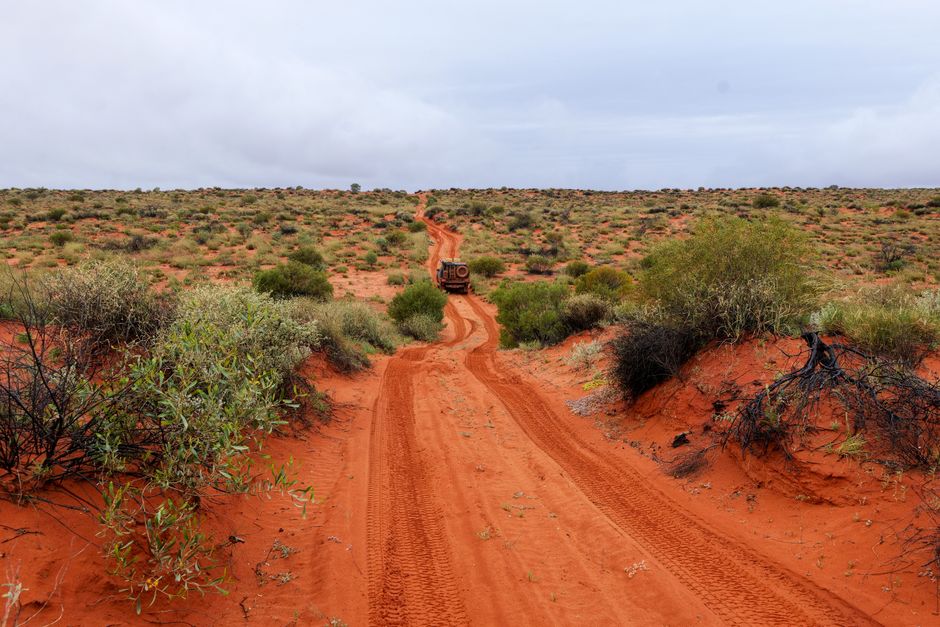
The Canning Stock Route is one of the longest and most remote 4WD tracks in the world. Stretching approximately 1,850 kilometres through some of the most isolated terrain in Australia, the route has few fuel stops, no mobile reception for large sections, and corrugated and sandy track surfaces that chew through both vehicle components and fuel. If you think your calculation of fuel range is just a guideline, think again. On this track, a misjudged fuel range can quickly spiral into an outback emergency with very real consequences.
Fuel Gaps and Distance Sanity-Checking
One of my rules as an outback travel writer and corrugation interviewer has always been to sanity-check every fuel gap. The Canning Stock Route can throw gaps of over 600 km with no reliable fuel stops. This means a standard fuel tank will not cut it. Even if your 4WD's advertised range looks like it should cover the next stop, factors like track surface, vehicle load, and environmental conditions can drastically reduce efficiency.
- Corrugations: The constant bouncing on corrugated sections increases fuel consumption and accelerates wear. Sand dunes: Power-draining soft sand forces heavier throttle use. Heavy loads: Taking plenty of water, recovery gear, and camping equipment is non-negotiable, but it penalizes fuel economy. Heat: Extended engine strain in extreme heat reduces fuel mileage.
What Happens If You Run Out Of Fuel?
Picture this: You’ve attempted to stretch your fuel beyond sensible limits, only to realize you’re stranded hundreds of kilometres from the nearest fuel point. Here’s what typically occurs when the wheels stop turning because of a fuel shortfall:
Vehicle immobilization: Without fuel, your 4WD simply stops. Unlike a flat tyre or mechanical failure, fuel shortage is non-negotiable and immediate. Exposure risk: In remote areas of the Canning, temperatures can soar over 40°C during the day and drop drastically overnight. Communication difficulty: Many sections of the route have no mobile coverage, complicating emergency calls. Recovery delay: Even if you can signal for help, it often takes days for assistance to reach you, especially in peak dry season when access is limited.Every trip on the Canning must take these risks seriously.

The Enduring Legacy of the Toyota LandCruiser 70 Series in Remote Australia
If you’re wondering what 4WD vehicle will survive the Canning’s challenges and help avoid those costly fuel mistakes, the answer remains a firm favourite: the Toyota LandCruiser 70 Series. Over a decade of interviews with station owners, tour operators, and remote locals confirm its standing as the quintessential outback workhorse.
Why Simple Design Matters
Unlike many modern vehicles loaded with complex electronics and fancy infotainment systems, the 70 Series truck line sticks to a straightforward, reliable design ethos. Here’s why this matters profoundly out on tracks like the Canning Stock Route:
- Reliability: The minimal electronic interference reduces the risk of sudden failures in areas where mechanics and spare parts are millions of kilometres away. Repairability: Station workshops and remote garage setups frequently have stock for 70 Series parts. Mechanics out bush are confident working on these trucks due to their familiar, straightforward engine and chassis layout. Durability: The suspension and chassis have been engineered to absorb the harsh punishment of Australian corrugations for decades without major modifications.
70 Series History and Why It Has Barely Changed
The Toyota LandCruiser 70 Series first appeared in the mid-1980s as a rugged, utilitarian option tailored for tough industrial and agricultural applications. Over 35 years later, the series has evolved mainly through incremental upgrades rather than radical redesigns. This slower, cautious development ensures that the core strengths – robust steel chassis, proven diesel engines, and simple mechanical systems – remain intact while addressing reliability and emissions improvements.
The stability of design translates to two big benefits on routes like the Canning:
Off-the-shelf replacement parts are still relevant and widely available. Long-time mechanics and vehicle owners share a huge knowledge base about servicing and repairs under remote conditions.Outback Routes That Punish Vehicles—and How to Plan for Them
The unforgiving environment of the Canning is not unique, but it exemplifies outback routes that punish vehicles relentlessly. Corrugations cause metal fatigue, sand saps power and fuel, and heat stresses both man and machine. When combined with vast fuel gaps, the margin for error is razor-thin.
Essential Outback Emergency Planning Tips
Anyone attempting the Canning Stock Route or similar tracks absolutely must go beyond standard trip planning:
- Carry extra fuel: Secondary jerry cans or auxiliary tanks are mandatory. Calculate your fuel needs generously—never attempt to go on advertised tank-plus-20%. Plan for double or triple the standard consumption depending on conditions. Monitor vehicle condition continuously: Use checklists for tyre pressure, steering play, and oil levels multiple times daily. Bring comprehensive recovery gear: Including high-lift jack, shovel, snatch straps, and communication devices like a satellite phone or PLB. Inform trusted contacts: Let family or a nominated person know your itinerary and expected check-in times. Have a contingency plan: Know the locations of the fuel caches, emergency airstrips, and outstations.
Leverage Resources Like Australian Explorer RSS Feed and Facebook Shares
Stay updated on current track conditions and fuel availability by subscribing to the Australian Explorer’s travel advice RSS feed. This is invaluable for receiving automatic updates about closures, fuel situation changes, and track hazards.
Also, tap into community knowledge through Facebook shares from remote station operators, tour guides, and previous travellers on groups dedicated to the Canning Stock Route. The real-time peer advice can provide early warnings and on-the-ground insights you won’t get from maps or guidebooks.
Wrapping Up: Never Gamble With Fuel on the Canning Stock Route
The consequences of a remote fuel mistake on the Canning Stock Route are serious, ranging from vehicle immobilization to life-threatening exposure. The cornerstone to a safe journey is conservative planning, carrying sufficient fuel reserves, and trusting durable vehicles with simple mechanical systems like the Toyota LandCruiser 70 Series.
When outback tracks punish vehicles every day, it’s not just about choosing a 4WD—it’s about choosing a machine with an unbroken track record of reliability and repairability far from the nearest workshop. And as the Canning and other remote routes prove time and again, that choice can be the difference between a memorable adventure and a desperate incident.
Want to stay informed on Australian 4WD travel and outback emergencies? Subscribe to the Australian Explorer RSS feed and share this article on Facebook to keep your mates updated.
```