In today’s digital landscape, services are increasingly available across multiple platforms—mobile apps, desktop apps, and browser-based software. As a user, the question often arises: do I really need to download an app to use this service? With the rise of powerful web technologies and cloud storage solutions, sometimes the answer is no. Web-based access can deliver seamless experiences without forcing you to install anything. But that doesn’t mean all web experiences are created equal. In this post, we’ll explore how first impressions and early friction, navigation clarity, browser-first and cloud-based delivery, and cross-device continuity shape the quality of your browser experience—and why no dedicated downloads could be a big plus.

First Impressions Matter: Early Friction Can Make or Break the Experience
When you visit a service online, your initial interactions set the tone for the entire user journey. One of the biggest early friction points in browser-based services is a forced app download prompt that interrupts your flow before you can even try the product. This can feel jarring, especially when the task you want to accomplish is simple or time-sensitive.
Browser-first services respect your time and device resources by letting you jump right in. You open a URL, sign in (or sign up), and start working immediately—no detours, no waiting for installations or permissions dialogs. This quick access reduces cognitive load and encourages users to explore more features because nothing stands in their way.
Why Early Friction Hurts
- Interrupts user flow: Being forced to download an app before even seeing what the service offers adds unnecessary steps. Wastes time: App downloads require bandwidth and time, which might discourage users on slow connections or limited data plans. Creates doubts about security: Unexpected prompts to install software can trigger safety concerns or raise suspicions about malware. Causes device clutter: Users may not want another app added to their device, especially if usage will be infrequent.
Conversely, a smooth browser-first experience reinforces confidence and lowers barriers to entry. It also aligns better with customer habits on mobile and desktop when people want fast, “frictionless” access without installing anything.
Navigation Clarity and Consistent UI Patterns: Keys to a Trustworthy Browser Experience
Even when a service offers web-based access without downloads, poor design can create hidden friction. Navigation clarity and consistent UI patterns make a massive difference in reducing confusion and streamlining workflows.
Clear Navigation Structures
In SaaS and cloud-based tools, neat navigation means:
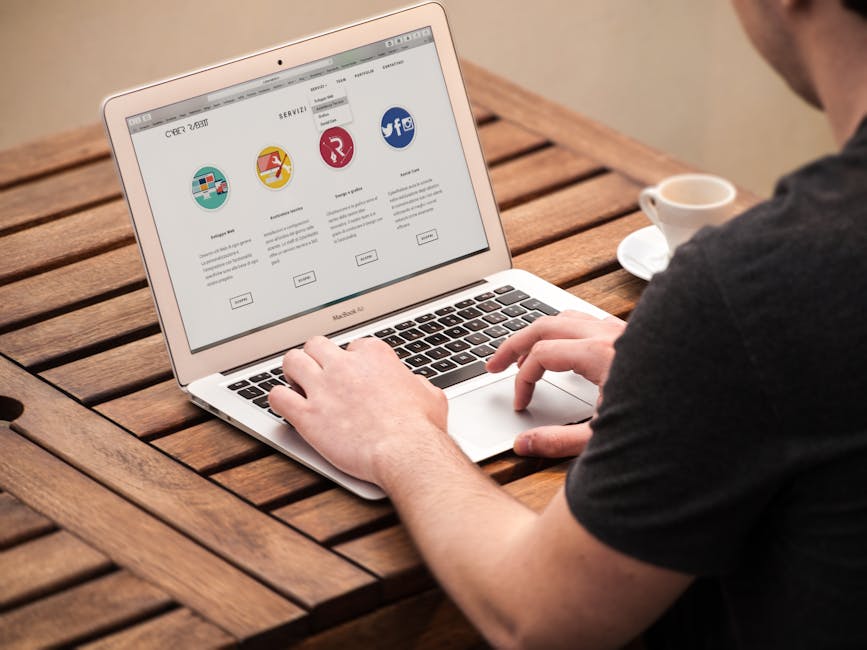
- Intuitive menus: Labels and categories should be self-explanatory—avoid jargon or overly technical terms. Logical hierarchy: Functions are grouped by user goals, so finding features takes fewer clicks. Minimal clutter: Less is more—avoid overwhelming users with too many options or pop-ups.
Users quickly scan pages with “F-pattern” eye movements, so well-placed navigation elements promote effortless discovery and reduce the errors you’d see in a browser experience that feels “broken.”
Consistent UI Patterns Across Devices and Platforms
Consistency fosters familiarity and trust. If you've used a service's mobile web interface, switching to a desktop browser or tablet should feel natural and predictable.
- Buttons and links behave the same way: Tap, hover, or click responses are intuitive. Visual hierarchy remains stable: Key buttons (Save, Upload, Share) stay prominent. Typography and colors maintain brand identity: This prevents confusing cognitive shifts between mobile and desktop.
When user interface design is cohesive across devices, customers know where to find tools and how actions will unfold, helping them stay productive without relearning workflows.
Browser-First and Cloud-Based Delivery: The Future Is Web-Native
Thanks to advances in web technologies (like HTML5, CSS3, and JavaScript frameworks) and cloud infrastructure, many services have evolved to “browser-first” models. These leverage the internet itself, not localized app installs, to deliver rich, performant experiences.
Advantages of Web-Based Access
- Immediate availability: No app store submission cycles or waiting for updates—users access the latest version automatically. Cross-platform compatibility: The same URL opens on smartphones, tablets, laptops, and desktops without changing platforms. Reduced device storage use: All heavy data and processing can be handled in the cloud, minimizing local resource demands. Security and compliance: Centralized cloud storage enables tighter control over data protection policies and faster patching.
Cloud Storage Powers Seamless Data Access
Cloud storage is instrumental in supporting no-download workflows. Whether you’re editing documents, managing projects, or sharing media, files saved in the cloud stay synchronized across devices instantly. This means you never have to worry about losing progress or manually transferring files.
Benefit Impact on User Experience Real-time syncing Updates are immediately reflected everywhere—no outdated versions. Automatic backups Users can recover data easily, minimizing risks of accidental loss. Collaboration support Multiple users can work simultaneously without confusion. Scalable storage Users can handle large files or many projects without device limitations.Cross-Device Continuity: Your Workflows, Everywhere
The true power of browser-based, cloud-driven services shines when users move fluidly across multiple devices. Imagine starting a report on your laptop, making quick annotations on your phone during a commute, and finalizing it on a tablet at a café—all without downloading an app or juggling file transfers.
How Web-Based Access Enables Continuity
- Unified sign-in: Access with a username and password or single sign-on keeps your identity consistent. Session persistence: Cloud-saved states mean you can pick up exactly where you left off, regardless of device. Responsive design: Web interfaces adapt dynamically for screen size and input method.
By contrast, app-based solutions may require separate installs https://stateofseo.com/why-do-entertainment-platforms-copy-saas-ux-patterns/ and data syncing setups per device, creating friction and the risk of version mismatches or data loss. For many users, especially those who use multiple devices frequently, this difference is critical.
When Might You Still Need a Dedicated App?
It’s worth noting that some services may still benefit from dedicated apps in specific scenarios:
- Offline access: Apps can offer advanced functionality when internet access is unavailable. Device hardware integration: Apps might provide deeper access to sensors, cameras, or notifications. Performance-intensive tasks: Native apps sometimes handle heavy media editing or gaming better. Enterprise requirements: Some organizations mandate apps for compliance, security, or management controls.
However, many modern SaaS services blur these lines by combining browser-first architecture with optional progressive web apps (PWAs), which users can install if they want enhanced features but don’t have to.
Conclusion: Embrace the Power of Web-Based Access
Do you really need to download an app for every service? In many cases, the answer is no. Browser-based https://seo.edu.rs/blog/open-web-standards-explained-for-non-developers-11205 software powered by cloud storage can offer immediate access, consistent UI, and seamless cross-device continuity without the friction of app downloads. A high-quality browser experience prioritizes your time and device resources while delivering rich functionality with no dedicated downloads required.
Before hitting that “Download” button, ask yourself:
Can this browser experience meet my needs right now? Is the navigation clear, consistent, and easy on my device? Does the service save and sync data securely in the cloud? Do I want seamless access across laptops, mobiles, and tablets?If the answers are yes, you’re likely better off enjoying the convenience of web-based access—because sometimes less app clutter means more productive, enjoyable usage.