Smartphones have transformed from simple communication tools into powerful all-in-one devices that shape how we live every day. Their integration into daily routines is so seamless that many people can’t imagine life without them. But how exactly did smartphones evolve into indispensable everyday companions, capable of organizing schedules, navigating unfamiliar places, and turning moments of waiting into productive or entertaining experiences?
The Rise of Smartphones in Everyday Life
Smartphones emerged not just as phones but as portable computers with access to high-speed mobile networks. This connectivity unlocked countless possibilities beyond voice calls and texts — enabling richer media, instant communication, and access to various online services from anywhere.
Today, the term smartphone everyday life implies a device that doesn’t just help us communicate but also assists us in managing our time, entertainment, navigation, and productivity on the go.

From Separate Gadgets to One Pocket Powerhouse
Before smartphones, people relied on multiple standalone gadgets:
- MP3 players for music GPS devices for navigation Compact digital cameras for photos Personal digital assistants (PDAs) or paper planners for managing schedules Portable gaming consoles for entertainment
The smartphone combined these functions, reducing the need to juggle separate devices. This convergence means fewer things to carry, charge, or lose, streamlining daily routines significantly.
Waiting Time as a New Entertainment Window
One of the subtle but profound changes brought by smartphones is how they turned waiting time — at airports, bus stops, or in queues — into moments of useful activity or entertainment. This shift reshaped our expectations and daily habits.
Snackable Content and Stop-Start Convenience
Thanks to high-speed data networks and app ecosystems optimized for mobile consumption, users can access snackable content that fits into short bursts of free time:
- Social media feeds refreshed with quick updates Short-form videos and stories (think TikTok or Instagram Reels) Quick news briefs or email scans Podcasts and audiobooks paused and resumed effortlessly Mobile games designed for fast rounds
This stop-start convenience means phones aren’t just boredom-busters but tools that help people use even small windows of time productively or pleasurably.
App Ecosystems: Unlocking Variety and Productivity
A critical driver behind smartphones’ central role is their extensive app ecosystems. Unlike previous gadgets with fixed features, smartphones continually evolve through apps. This means there’s constantly more variety and capability available, catering to the unique needs of users.
How Apps Enable Organizing Schedules on Your Phone
Managing time is a cornerstone of daily life, and smartphones excel here through native and third-party apps:
- Calendar apps help organize meetings, events, and reminders with alerts synchronized across devices. Task managers and to-do lists let users break down projects and daily chores, updating progress on the fly. Note-taking apps store important info, ideas, and documents—accessible anytime.
These tools reduce dependence on paper planners and make it much easier to adjust to last-minute changes.
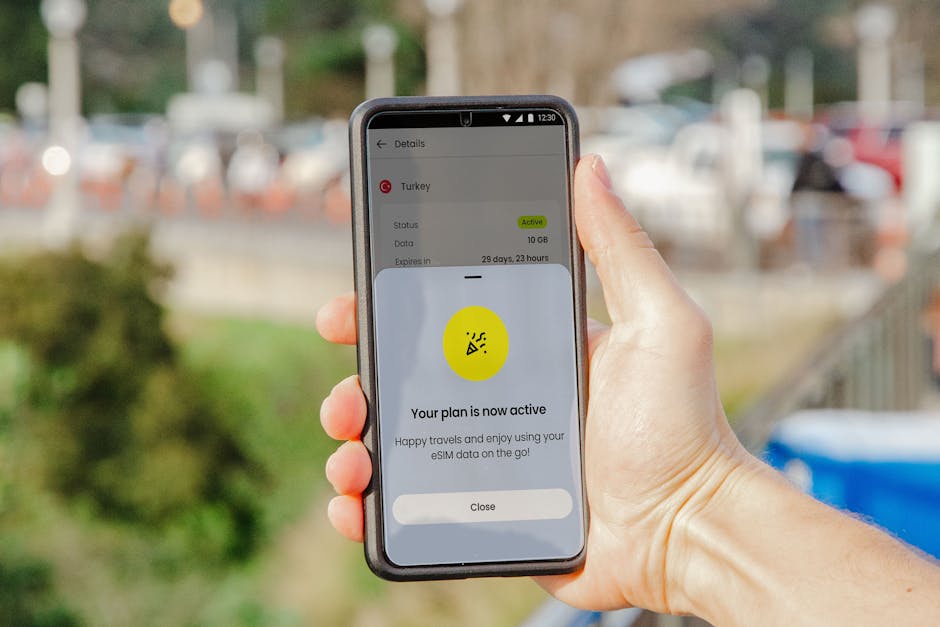
Navigating Unfamiliar Places with Confidence
GPS navigation is another game-changer. Where standalone GPS devices once ruled, smartphones now offer far more: real-time traffic updates, voice-guided directions, public transit schedules, and even augmented reality landmarks in some apps.
Alongside internet-connected maps, this functionality makes it much easier to explore new cities, find eateries, or navigate hiking trails. This capability goes hand in hand with daily necessities for commuters, travelers, and adventure-seekers alike.
Why Prices Don’t Tell the Whole Story
A common mistake when discussing smartphones is focusing too much on prices and specs scraped from product listings. While cost matters, the value of smartphones in daily life often lies in how well they integrate with the user’s lifestyle and ecosystem. A budget phone with essential apps and reliable data can serve everyday needs better than an expensive flagship where connectivity or battery life falters.
Instead of obsessing over upfront price points, the emphasis should be on:
- Compatibility with your preferred apps and services Battery life sufficient to see you through the day Access to high-speed mobile networks to leverage connectivity fully Durability and ease of repair or replacement parts availability
How High-Speed Mobile Networks Enhanced Smartphone Utility
Smartphones’ ability to serve as multifaceted daily life tools depends heavily on mobile connectivity. The rollout of 4G and now 5G networks dramatically improved data speeds, making tasks like streaming videos, video calling, and real-time navigation both feasible and pleasant.
This infrastructure enables people to:
Access cloud storage and synced data instantly Communicate via video chat applications without frustrating lags Use GPS apps that update live traffic and route changes Enjoy smoother and faster mobile gaming sessionsWithout reliable high-speed networks, many of the features that make smartphones indispensable would be little more than empty promises.
The Future of Smartphones in Daily Life
Looking ahead, smartphones will likely deepen their role as the hub for health monitoring, mobile payments, smart home control, and even augmented reality experiences. However, the principles that made them critical — all-in-one convenience, portability, fast connectivity, and rich app ecosystems — will remain central.
Summary Table: Smartphone Features Transforming Daily Life
Feature How It Helps in Everyday Life All-in-One Device Replaces multiple gadgets; consolidates essentials in one device Waiting Time Utilization Turns idle moments into productive or entertaining sessions with snackable content App Ecosystem Endless variety of tools from scheduling to gaming tailored to individual needs High-Speed Mobile Networks Ensures smooth access to data-heavy services like video calls, streaming, and navigation Navigation Features Helps confidently explore unfamiliar places with real-time guidance and traffic updatesConclusion
The journey of the smartphone from a basic communication gadget to a daily life powerhouse is a story of convergence, connectivity, and user-centric innovation. By combining multiple devices into one pocket companion, shortening waiting moments with bite-sized content, and smartphone waiting time entertainment harnessing app ecosystems alongside robust mobile networks, smartphones have become the Swiss Army knives of modern convenience.
Understanding this evolution helps us appreciate not just the technology but the new habits and expectations that come with it — such as organizing schedules on your phone or navigating unfamiliar places with confidence, all with a device that fits right into your hand.